
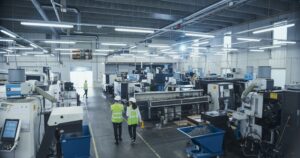
Automotive Metal Components: How Metal Forming Improves Reliability
Metal forming improves reliability in automotive metal components by producing consistent, high-strength parts with tight tolerances and repeatable geometry. Processes such as roll forming and
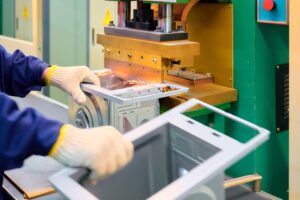
Appliance Manufacturing Components: Common Challenges and How to Overcome Them
Appliance manufacturing components face several challenges, including maintaining durability, controlling costs, and ensuring consistent quality at high volumes. Appliance component manufacturing challenges often arise from
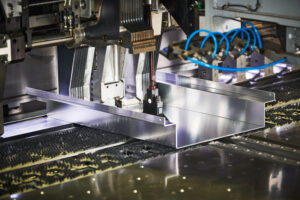
Lightweight Metal Design: Strength Without Added Weight in OEM Components
Lightweight metal design focuses on reducing component weight while maintaining or improving structural integrity. By combining material selection, geometry optimization, and precision forming processes, engineers

Supply Chain Risk Manufacturing: The Hidden Risks of Multi-Vendor Models
Supply chain risk manufacturing increases when OEMs rely on multiple suppliers across different processes. Using fragmented vendors introduces coordination issues, inconsistent quality, and delays. These
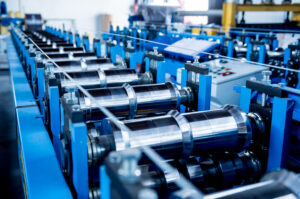
Prototype to Production Manufacturing: Scaling Without Delays
Prototype to production manufacturing is the process of transitioning a product from initial design validation to full-scale production. Scaling without delays requires aligning tooling, processes,
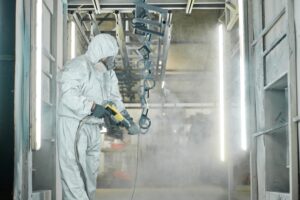
Powder Coating vs Paint: Choosing the Right Metal Finishing Option
The difference between powder coating and paint for metal finishing lies in application and performance. Powder coating uses electrostatically applied dry powder cured into a
Automotive Metal Components: How Metal Forming Improves Reliability
Metal forming improves reliability in automotive metal components by producing consistent, high-strength parts with tight tolerances and repeatable geometry. Processes such as roll forming and
Appliance Manufacturing Components: Common Challenges and How to Overcome Them
Appliance manufacturing components face several challenges, including maintaining durability, controlling costs, and ensuring consistent quality at high volumes. Appliance component manufacturing challenges often arise from
Lightweight Metal Design: Strength Without Added Weight in OEM Components
Lightweight metal design focuses on reducing component weight while maintaining or improving structural integrity. By combining material selection, geometry optimization, and precision forming processes, engineers
Supply Chain Risk Manufacturing: The Hidden Risks of Multi-Vendor Models
Supply chain risk manufacturing increases when OEMs rely on multiple suppliers across different processes. Using fragmented vendors introduces coordination issues, inconsistent quality, and delays. These
Prototype to Production Manufacturing: Scaling Without Delays
Prototype to production manufacturing is the process of transitioning a product from initial design validation to full-scale production. Scaling without delays requires aligning tooling, processes,
Powder Coating vs Paint: Choosing the Right Metal Finishing Option
The difference between powder coating and paint for metal finishing lies in application and performance. Powder coating uses electrostatically applied dry powder cured into a