

Strengthening Your Domestic Supply Chain with Mills Products
For years, sourcing decisions often started with one question: Who can make this part for the lowest piece price? That remains relevant; however, it is
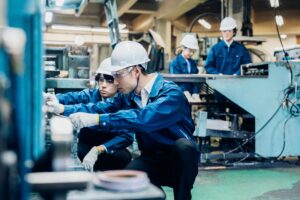
Manufacturing Lead Time: How It Impacts Large-Scale Infrastructure Projects
Manufacturing lead time is the total time required to produce and deliver components from order to completion. In large-scale infrastructure projects, it directly affects schedules,

Server Rack Manufacturing: Challenges and Solutions
Server rack manufacturing involves producing high-strength, precision components that support IT equipment while maintaining airflow, alignment, and structural stability. Key challenges include maintaining tight tolerances,
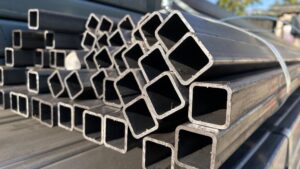
Metal Material Selection: How to Choose the Right Material in Fabrication
Metal material selection in fabrication is the process of choosing the appropriate material based on performance, weight, cost, and manufacturability. For OEM applications, selecting the
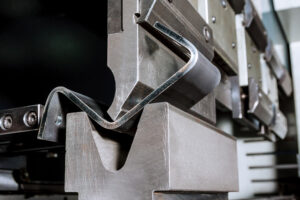
Metal Forming Supplier: Key Considerations When Selecting a Partner
Selecting a metal forming supplier requires evaluating technical capabilities, quality systems, scalability, and communication. OEM teams must ensure the partner can deliver consistent, high-volume production
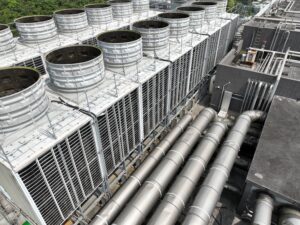
Data Center Manufacturing: What Matters Most
Data center manufacturing requires high-volume production of structurally reliable components with tight tolerances, fast lead times, and consistent quality. Manufacturers must support rapid infrastructure deployment