

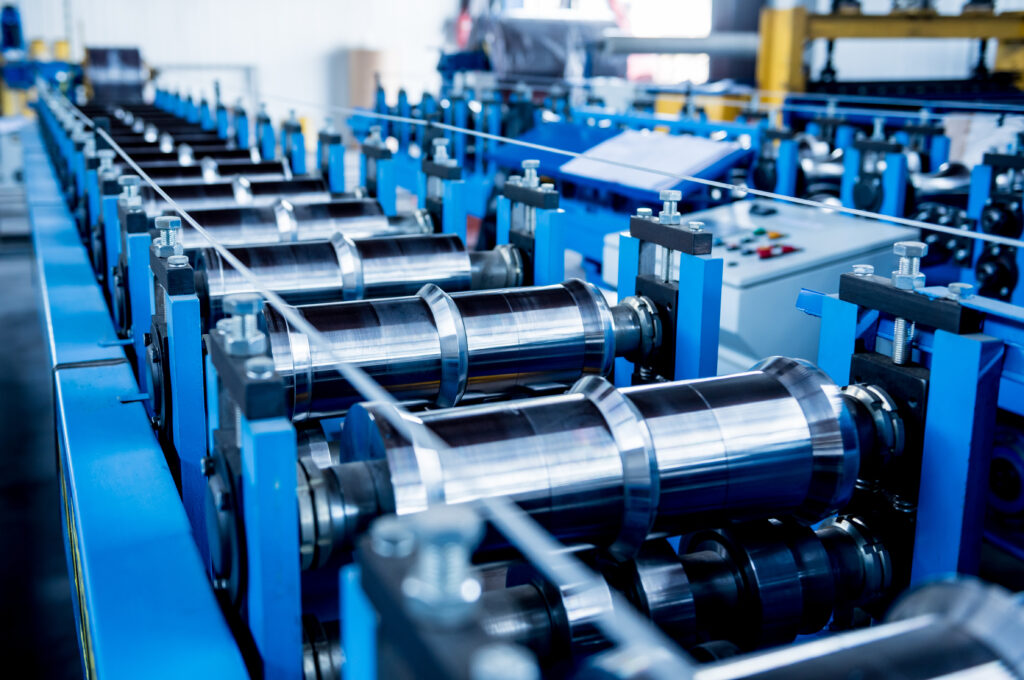
Prototype to production manufacturing is the process of transitioning a product from initial design validation to full-scale production. Scaling without delays requires aligning tooling, processes, and suppliers early to ensure repeatability, production readiness, and consistent output during the production ramp up phase.
Key Challenges and Solutions in Scaling Manufacturing
Common Challenges:
- Misalignment between prototype design and production processes
- Incomplete tooling readiness
- Supplier capacity limitations
- Inconsistent part quality during scale-up
Effective Solutions:
- Early manufacturing involvement in design
- Process validation before production ramp up
- Supplier alignment and capacity planning
- Standardized quality control systems
Scaling manufacturing successfully requires bridging the gap between prototype performance and production realities.
Common Challenges When Scaling from Prototype to Production
Transitioning from prototype to mass production often exposes issues that were not evident during early development.
Prototype vs Production Reality
Prototypes are typically built with flexibility, while production requires consistency and repeatability. Designs that work in low volume may not translate directly into scalable manufacturing processes.
Key Risks in OEM Production Transition
- Design features that are difficult to manufacture at scale
- Lack of validated tooling for high-volume production
- Inconsistent material behavior during production ramp up
- Insufficient process documentation
These challenges can delay production ramp up and increase the cost of manufacturing scale up process.
Aligning Tooling and Manufacturing Processes for Scale
Tooling is a critical factor in prototype to production manufacturing. Without properly designed and validated tooling, scaling manufacturing becomes unpredictable.
Importance of Tooling Alignment
- Ensures repeatable part geometry
- Supports consistent production output
- Reduces variation across batches
Process Alignment Considerations
- Matching forming processes to part geometry
- Validating production parameters before scale-up
- Integrating secondary operations such as welding or finishing
Aligning tooling and processes early in the manufacturing scale up process reduces risk and improves production readiness manufacturing.
Ensuring Supplier and Production Readiness
Supplier readiness is often overlooked during the transition from prototype to mass production. However, it is a key factor in avoiding delays.
Key Elements of Production Readiness
- Available capacity to meet demand
- Proven ability to maintain consistent quality
- Established quality control systems
- Clear communication and coordination
For sourcing teams, evaluating suppliers based on production readiness manufacturing is essential to ensure a smooth OEM production transition.
How to Avoid Delays During Production Ramp-Up
Production ramp up is where many projects encounter delays. These delays are often caused by misalignment between design, tooling, and production capabilities.
Strategies to Prevent Delays
- Early Design for Manufacturability
Ensure designs are compatible with scalable processes. - Process Validation
Test production conditions before full-scale ramp up. - Capacity Planning
Confirm supplier capability to meet volume requirements. - Quality Standardization
Implement consistent inspection and control processes.
By addressing these factors, companies can improve scaling manufacturing efficiency and reduce time-to-market.
Step-by-Step Framework: Prototype to Production Manufacturing
A structured approach helps ensure a smooth transition from development to full-scale production.
1. Design Validation
Confirm that the prototype meets functional and performance requirements.
2. Manufacturability Review
Evaluate the design for compatibility with production processes and identify potential challenges.
3. Tooling Development
Design and build production tooling that supports repeatability and scalability.
4. Pilot Production Runs
Conduct limited production runs to validate processes and identify issues.
5. Process Optimization
Refine production parameters to ensure consistency and efficiency.
6. Full Production Ramp-Up
Scale production while maintaining quality and throughput.
This framework supports prototype to production manufacturing by aligning all elements required for successful scaling.
The Importance of Early Collaboration
Early collaboration between engineering, sourcing, and manufacturing teams reduces the risk of delays during OEM production transition.
Benefits of Early Engagement
- Identification of manufacturability issues before production
- Alignment of design with production capabilities
- Reduced need for redesign during scaling manufacturing
- Faster production ramp up
For OEM teams, involving a manufacturing partner early improves both efficiency and outcomes.
Supporting Scalable Production with Mills Products
Mills Products supports prototype to production manufacturing by aligning design, tooling, and production processes from the start.
Capabilities include:
- Roll forming and precision metal stamping for scalable production
- Fabrication processes integrated with production workflows
- High-volume production systems designed for repeatability
This approach ensures production readiness manufacturing and supports a smooth transition from prototype to mass production.
For teams preparing for scaling manufacturing, this reduces risk and improves time-to-market.
FAQ: Prototype to Production Manufacturing
What is prototype to production manufacturing?
It is the process of transitioning a product from prototype development to full-scale production while ensuring consistency and scalability.
Why do delays occur during production ramp up?
Delays often result from misaligned tooling, unvalidated processes, or insufficient supplier readiness.
How can scaling manufacturing be improved?
By aligning design, tooling, and processes early and validating production conditions before ramp-up.
What is production readiness manufacturing?
It refers to the ability of processes, tooling, and suppliers to support consistent high-volume production.
How can OEMs ensure a smooth production transition?
Through early collaboration, process validation, and selecting capable manufacturing partners.
Conclusion
Prototype to production manufacturing requires careful planning, alignment, and validation to avoid delays and ensure scalability. By focusing on tooling, process readiness, and supplier alignment, OEMs can achieve a smooth production ramp up and maintain consistent output.
To start your next project or discuss production needs, connect with Mills Products to evaluate your transition from prototype to full-scale manufacturing.