

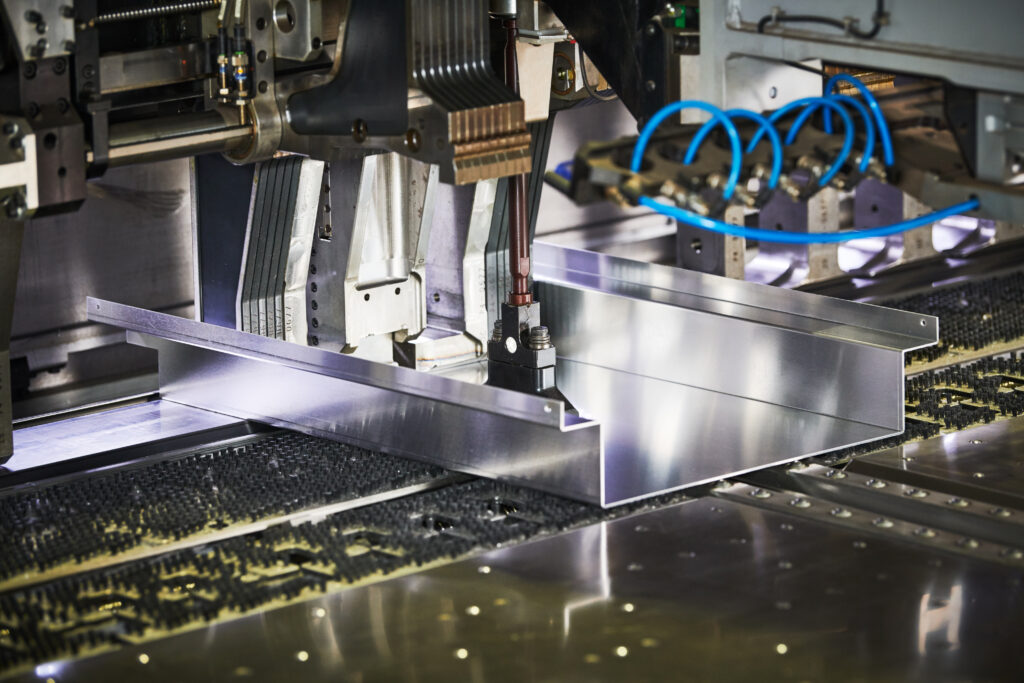
Lightweight metal design focuses on reducing component weight while maintaining or improving structural integrity. By combining material selection, geometry optimization, and precision forming processes, engineers can achieve strength optimization metal performance without increasing mass, enabling efficient, high-performance OEM component design.
Key Strategies for Lightweight Metal Design
- Select high strength low weight materials
- Optimize cross-sectional geometry for load distribution
- Use forming processes that enhance material strength
- Reduce unnecessary material while maintaining structural integrity
- Align design with manufacturing capabilities
These strategies enable weight reduction metal components without compromising performance.
Material Selection for Lightweight and High-Strength Components
Material selection is a foundational element of lightweight metal design. The choice of material directly impacts strength, durability, and manufacturability.
Common Materials for High Strength Low Weight Applications
- High-Strength Steel
Provides excellent load-bearing capacity with reduced thickness. - Aluminum Alloys
Lower density with good corrosion resistance and formability. - Advanced Alloys
Designed for specific performance requirements in demanding applications.
Selecting the right material ensures that structural metal design meets both strength and weight requirements.
Geometry Optimization for Strength Without Added Weight
Geometry plays a critical role in strength optimization metal strategies. Structural performance can often be improved by modifying shape rather than adding material.
Key Geometry Considerations
- Profile Design
Channels, ribs, and bends increase stiffness without adding weight. - Load Path Optimization
Distributing forces efficiently reduces stress concentrations. - Cross-Sectional Efficiency
Strategic shaping improves strength-to-weight ratio.
Through metal forming design optimization, engineers can create components that are both lighter and stronger.
How Metal Forming Processes Improve Strength-to-Weight Ratio
Forming processes such as roll forming and stamping contribute significantly to lightweight metal design by enhancing material properties.
Benefits of Forming Processes
- Work Hardening
Forming processes increase material strength in critical areas. - Consistent Geometry
Precision forming ensures repeatability across production runs. - Efficient Material Use
Minimizes waste while maintaining structural integrity.
These advantages support weight reduction metal components while maintaining OEM component design performance.
Balancing Strength and Manufacturability
Designing for strength is only part of the challenge. Components must also be manufacturable at scale.
Key Tradeoffs
- Thinner materials may require tighter tolerance control
- Complex geometries may increase tooling requirements
- Material selection impacts forming capabilities
Aligning structural metal design with manufacturing processes ensures that designs can be produced efficiently and consistently.
Common Applications of Lightweight Structural Metal Design
Lightweight metal design is critical across industries where performance and efficiency are priorities.
Typical Applications
- Appliance components requiring efficient material use
- Automotive structures focused on fuel efficiency
- Industrial equipment requiring reduced load and improved performance
- Infrastructure systems where weight impacts installation and support
In each case, strength optimization metal approaches improve both performance and cost efficiency.
Step-by-Step Framework for Designing Lightweight Components
A structured approach helps engineers achieve optimal results in OEM component design.
1. Define Performance Requirements
Identify load conditions, environmental factors, and performance criteria.
2. Select Appropriate Materials
Choose high strength low weight materials based on application needs.
3. Optimize Geometry
Design cross-sections and profiles to maximize strength-to-weight ratio.
4. Align with Forming Processes
Ensure the design is compatible with roll forming, stamping, or fabrication methods.
5. Validate Through Testing
Evaluate performance through simulation or physical testing.
6. Prepare for Production
Ensure design supports repeatability and scalability in manufacturing.
This process supports effective lightweight metal design while ensuring production feasibility.
Reducing Weight Without Compromising Performance
Weight reduction must not compromise structural integrity. Effective strength optimization metal strategies focus on improving performance through design rather than adding material.
Key Outcomes
- Reduced material usage
- Improved efficiency in operation
- Lower overall system weight
- Maintained or enhanced durability
These benefits make lightweight metal design a critical consideration in modern OEM component design.
Supporting Lightweight Design with Mills Products
Mills Products supports lightweight metal design through expertise in roll forming, precision metal stamping, and fabrication.
Capabilities include:
- Designing components for optimal strength-to-weight ratio
- Producing high precision metal components at scale
- Aligning design with manufacturing processes
This approach ensures that weight reduction metal components meet both performance and production requirements.
For engineering teams optimizing OEM component design, early collaboration improves outcomes and reduces risk.
FAQ: Lightweight Metal Design
What is lightweight metal design?
It is the process of reducing component weight while maintaining structural integrity through material selection and geometry optimization.
How can strength be maintained without adding weight?
By optimizing geometry and using high strength low weight materials, strength can be improved without increasing mass.
What materials are best for lightweight structural design?
High-strength steel and aluminum alloys are commonly used for their balance of strength and weight.
How do forming processes improve strength?
Forming processes can increase material strength through work hardening and improve structural efficiency.
Why is manufacturability important in lightweight design?
Designs must be compatible with production processes to ensure consistency, cost efficiency, and scalability.
Conclusion
Lightweight metal design enables engineers to achieve strength optimization metal performance without increasing weight. By combining material selection, geometry optimization, and forming processes, OEM component design can meet both performance and manufacturability requirements.
To evaluate your next lightweight component design, submit your specifications or drawings for review with Mills Products.