

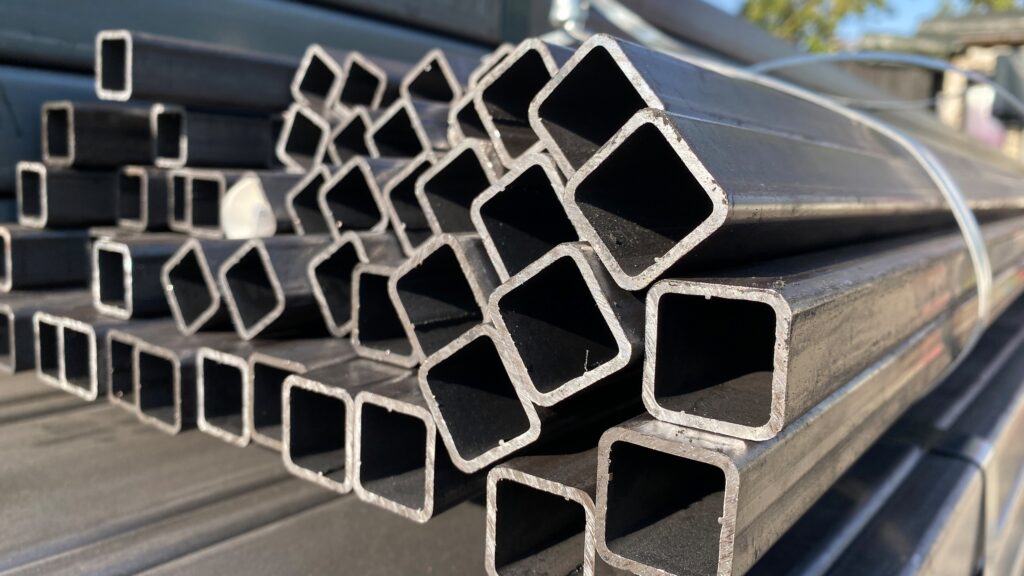
Metal material selection in fabrication is the process of choosing the appropriate material based on performance, weight, cost, and manufacturability. For OEM applications, selecting the right material directly impacts product durability, production efficiency, and long-term cost, making it a critical step in component design and fabrication.
Key Factors in Metal Material Selection
- Strength and mechanical performance requirements
- Weight and structural efficiency
- Cost of raw materials and processing
- Compatibility with forming and fabrication processes
- Environmental resistance (corrosion, temperature)
These factors guide engineers and sourcing teams when evaluating fabrication materials for OEM applications.
Comparing Common Fabrication Materials: Steel vs Aluminum
Steel and aluminum fabrication are among the most common options in metal fabrication materials comparison. Each material offers distinct advantages depending on the application.
Steel Fabrication
- High strength and durability
- Lower material cost in many applications
- Suitable for structural and load-bearing components
Steel is often used when strength and cost efficiency are priorities.
Aluminum Fabrication
- Lightweight with good strength-to-weight ratio
- Naturally corrosion-resistant
- Easier to form in certain applications
Aluminum is preferred when reducing weight is critical without sacrificing performance.
Key Differences
- Steel offers higher absolute strength
- Aluminum provides better weight reduction
- Steel is typically more cost-effective per pound
- Aluminum may reduce total system weight and shipping costs
Understanding steel vs aluminum fabrication helps guide effective OEM material selection.
Strength vs Weight Considerations
Balancing strength vs weight metal performance is a core challenge in metal material selection. The optimal choice depends on how the component will be used.
When Strength Matters Most
- Structural components under load
- Applications requiring high durability
- Environments with repeated stress or fatigue
When Weight Reduction Matters
- Applications requiring mobility or efficiency
- Components in transportation or modular systems
- Situations where reducing mass improves performance
High strength low weight materials are often selected when both performance and efficiency are required.
Engineers must evaluate how material choice impacts both performance and manufacturability.
Cost Implications of Material Choices
The cost of metal materials goes beyond raw material pricing. Total cost includes processing, waste, and long-term performance.
Key Cost Factors
- Raw material price fluctuations
- Manufacturing complexity and processing time
- Scrap and material utilization
- Transportation and handling costs
In some cases, a higher-cost material can reduce overall expenses by improving efficiency or reducing weight.
Cost reduction in OEM material selection requires evaluating total cost, not just initial price.
Impact of Material Selection on Manufacturing Processes
Material choice directly affects how components are produced. Not all fabrication materials perform the same in forming processes.
Considerations for Manufacturing
- Formability in roll forming and stamping
- Tool wear and maintenance requirements
- Ability to maintain tight tolerances
- Surface finish and post-processing needs
Selecting the right material improves process stability and reduces variability in production.
How to Choose the Right Material for Your Application
Effective metal material selection requires aligning performance requirements with manufacturing capabilities.
Key Questions to Ask
- What mechanical properties are required?
- What are the weight constraints?
- What environmental conditions will the part face?
- How will the material perform in production processes?
A structured evaluation helps ensure the chosen material supports both design and production goals.
Step-by-Step Framework for OEM Material Selection
1. Define Performance Requirements
Identify strength, durability, and environmental needs.
2. Evaluate Material Options
Compare steel vs aluminum fabrication and other materials based on application requirements.
3. Assess Manufacturing Compatibility
Ensure the material works efficiently with forming and fabrication processes.
4. Analyze Total Cost
Consider material, processing, and lifecycle costs.
5. Validate Through Prototyping or Testing
Confirm the material meets performance and production expectations.
This framework supports informed decision-making in OEM material selection.
Supporting Material Selection with Mills Products
Mills Products works with OEM teams to optimize metal material selection for performance and manufacturability.
Capabilities Include
- Roll forming for consistent structural profiles
- Precision metal stamping for high-volume production
- Fabrication support for complex components
Mills Products helps evaluate fabrication materials based on real production conditions, ensuring the right balance of strength, weight, and cost.
If you are evaluating materials for a new program, early collaboration can improve both design and production outcomes.
FAQ: Metal Material Selection
What is metal material selection in fabrication?
It is the process of choosing materials based on performance, cost, and manufacturability.
How do you choose between steel and aluminum fabrication?
Steel is better for strength and cost, while aluminum is preferred for weight reduction and corrosion resistance.
Why is strength vs weight important in material selection?
It impacts performance, efficiency, and overall system design.
How does material selection affect manufacturing?
It influences formability, process stability, and production efficiency.
Conclusion
Metal material selection is a critical decision that affects performance, cost, and manufacturability. Engineers and sourcing teams must evaluate tradeoffs between strength, weight, and cost to select the optimal material.
To ensure the best results for your application, submit your designs or specifications to Mills Products for review and material guidance.